Tag: Ethics
-
Beyond Materialism & Idealism 4: The Implications of the Necessary—Reframing Thought and Existence
This series has exposed the contradictions at the core of two dominant worldviews: materialism and idealism. Both are entangled in the impossibility of becoming, whether through the assumption that matter arises and perishes or the belief that reality is dependent on thought. Both, in different ways, attempt to explain being through non-being—an assumption that collapses…
Written by

-
Beyond Materialism & Idealism 3: The Unveiling of the Necessary
After exposing the contradictions of materialism and idealism, we arrive at a crucial crossroads. Both worldviews, despite their opposing stances, share a fundamental flaw: they are rooted in the concept of becoming—the notion that reality either comes into being or evolves through mental processes. The only consistent and coherent alternative is the recognition of being…
Written by

-
The Unveiling of Being – Article 6: The Collapse of Moral Relativism and the Necessity of Absolute Ethics
In the modern world, ethical discourse has been dominated by relativism—the belief that moral values are contingent, subjective, and shaped by cultural or individual perspectives. This notion, rooted in the rejection of absolute foundations, has led to moral fragmentation, where no principle can claim universal validity. Yet, this very fragmentation reveals the impossibility of a…
Written by

-
Beyond Left and Right – Article 10: The Eternal City – Towards a Civilization Aligned with the Structure of Being
Western civilization, having undergone profound crises of meaning, has long been caught in the oscillation between competing ideologies—none of which have been able to provide a stable foundation. The failure of both progressive deconstructionism and reactionary restorationism points to a deeper issue: the absence of a necessary and indestructible foundation upon which civilization can rest.…
Written by

-
Beyond Left and Right – Article 9: The Role of Language in Revealing the Structure of Being
The Crisis of Language in a Fragmented World One of the most insidious effects of the collapse of foundational meta-narratives in Western thought has been the fragmentation of language itself. In the absence of a universal framework, language has become unmoored, shifting according to ideological, cultural, and personal preferences. Meaning is no longer grounded in…
Written by

-
Beyond Left and Right – Article 6: The Role of Ethics and Law in the Recognition of the Structure of Being
The recognition of the eternal Structure of Being carries profound implications for human ethics and law. If Being is necessary and indestructible, then morality and justice cannot be arbitrary constructs shaped by historical contingencies or subjective preferences. Rather, they must be understood as necessary expressions of the eternal order. In this article, we explore how…
Written by

-
Beyond Left and Right – Article 4: The Cultural and Political Implications of an Indestructible Foundation
The recognition of an indestructible foundation—the Structure of Being—marks a profound turning point in human thought. While the collapse of Western meta-narratives has led to fragmentation, nihilism, and instability, the realization of an eternal and necessary foundation offers a way forward. This realization, however, is not an abstract philosophical conclusion; it carries deep implications for…
Written by

-
Post 53 – Suffering, Guilt, and Resentment from the Perspective of the Structure of Being
Human existence is marked by suffering, guilt, resentment, and the struggle with wrongdoing. These arise from our experiences of loss, injustice, and the relentless passage of time. How can philosophy address such profound challenges? The Structure of Being offers a radical perspective—one that dissolves the assumptions underpinning these existential burdens by revealing the eternal nature…
Written by

-
Post 49 – The Fragmentation of the Western Mind: Nihilism, Individualism, and the Illusion of Becoming
The Illusion of Becoming and the Western Mind The Western world, having embraced the belief that reality is fluid and that being is contingent, has plunged into an age of radical individualism and self-determination. This shift, deeply rooted in nihilism, assumes that identity, meaning, and even human nature itself are malleable constructs rather than necessary…
Written by

-
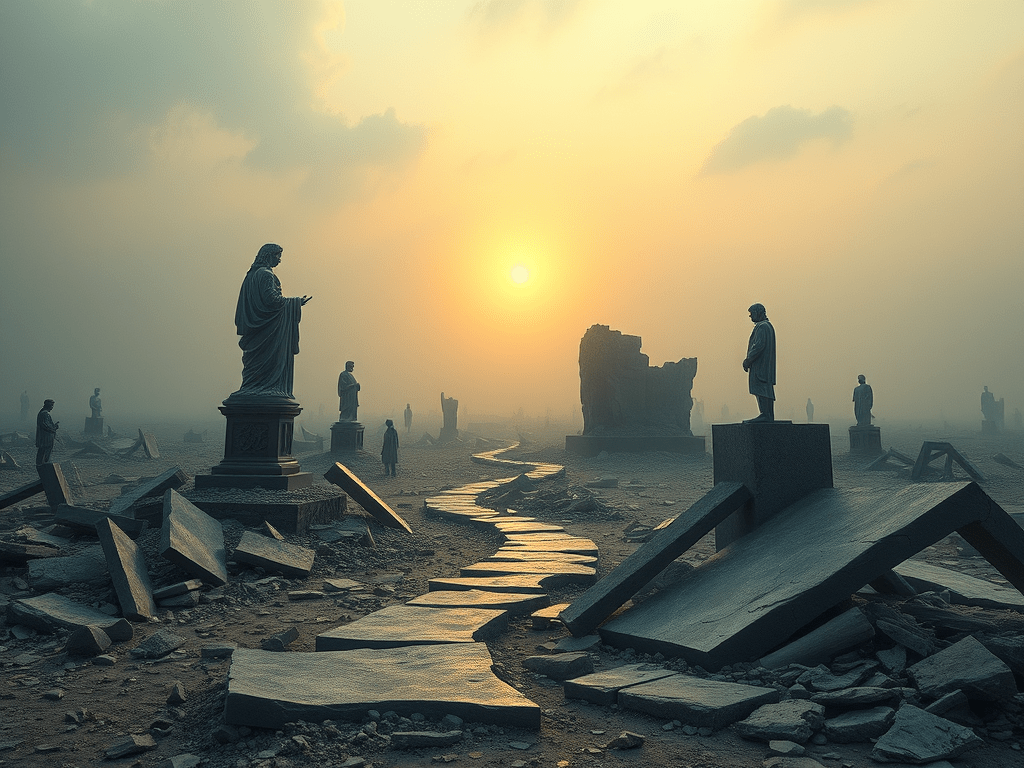
Post 48 – The Unfolding of Nihilism and Its Inevitable Dissolution
The Shadow of Nihilism Western thought, having severed itself from the eternal structure of being, finds itself adrift in a sea of nihilism. The belief that existence is contingent, that truth is malleable, and that meaning must be constructed rather than recognized, has led to an age of fragmentation, despair, and cultural decay. This nihilism…
Written by
-
Post 47 – From Cultural Crisis to the Clarity of Being
The Crisis of the West In our time, there is an overwhelming sense of loss. The grand ideas that once shaped Western civilization—truth, beauty, wisdom—now seem fractured, overshadowed by relativism, nihilism, and despair. What was once a culture of towering philosophical and artistic achievements now appears disoriented, struggling to maintain its foundations. The arts, once…
Written by

-
Post 22 – The Nature of Truth
Truth is fundamentally linked to eternity and the necessary being of all things. Every being, whether a thought, an object, a person, or a moment, is eternal, never truly coming into being or ceasing to exist. Yet, humans live under the illusion of becoming, mistakenly believing that things are born, change, and perish. This illusion,…
Written by

-
Post 9 – Ethics, Morality, Love and Freedom
Ethics and Morality Beyond Nihilism Here’s a provocative question to start with: If everything is eternal and unchanging, does that mean reality is predetermined? At first glance, this might seem disheartening—almost as if our choices don’t matter. But in Post 4, we explored the concept of free will and arrived at an intriguing conclusion: our…
Written by

-
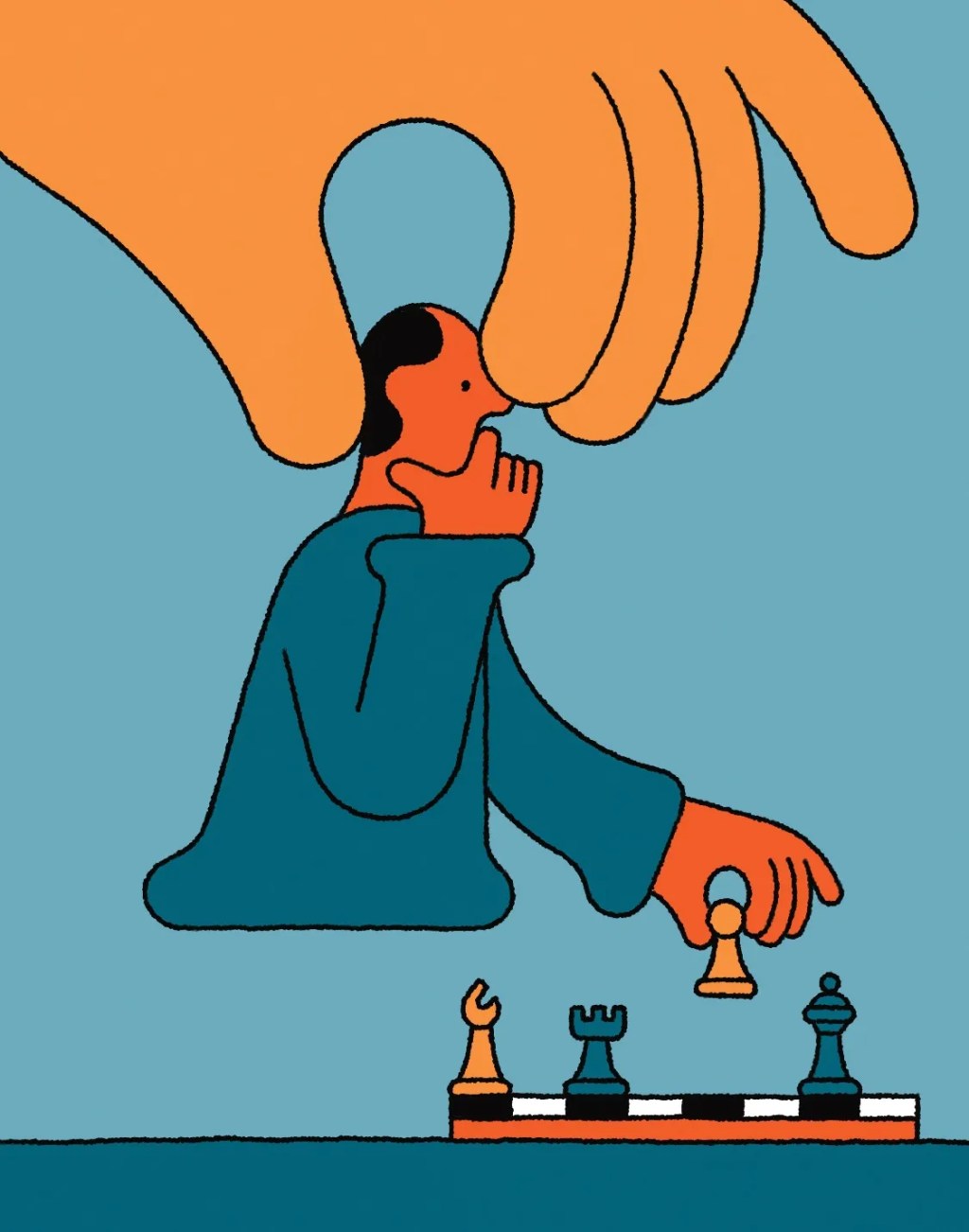
Post 4 – Reconciling Free Will and Determinism: An Eternal Perspective
Change, Becoming, and the Nature of Being If Being is eternal and unchanging, as classical metaphysics suggests, then change and becoming seem contradictory. However, our experience of change is undeniable. How can we reconcile these two ideas? Being, as the fundamental reality, is consistent and indivisible. It cannot shift between existence and non-existence without ceasing…
Written by
 It Is What It Is