The Measure of Reality
How We Measure the World
Much of ordinary life depends upon measuring reality according to what can be done.
We ask whether something can be achieved, protected, improved, repaired, preserved, or lost. Parents care for their children, physicians treat their patients, builders construct homes, and governments make decisions with the future in mind. Without this continual activity, human life would quickly become impossible.
There is nothing mistaken about this. Action belongs to our lives, and through it much good is accomplished.
Yet, without noticing it, we begin to use the same measure for reality itself.
We gradually come to think that what is real is what can be changed, possessed, defended, or taken away. What lies beyond our power slowly disappears from view, not because it is absent, but because we have ceased looking for it.
When Another Measure Appears
There are moments, however, in which this ordinary way of measuring reality quietly gives way to something else.
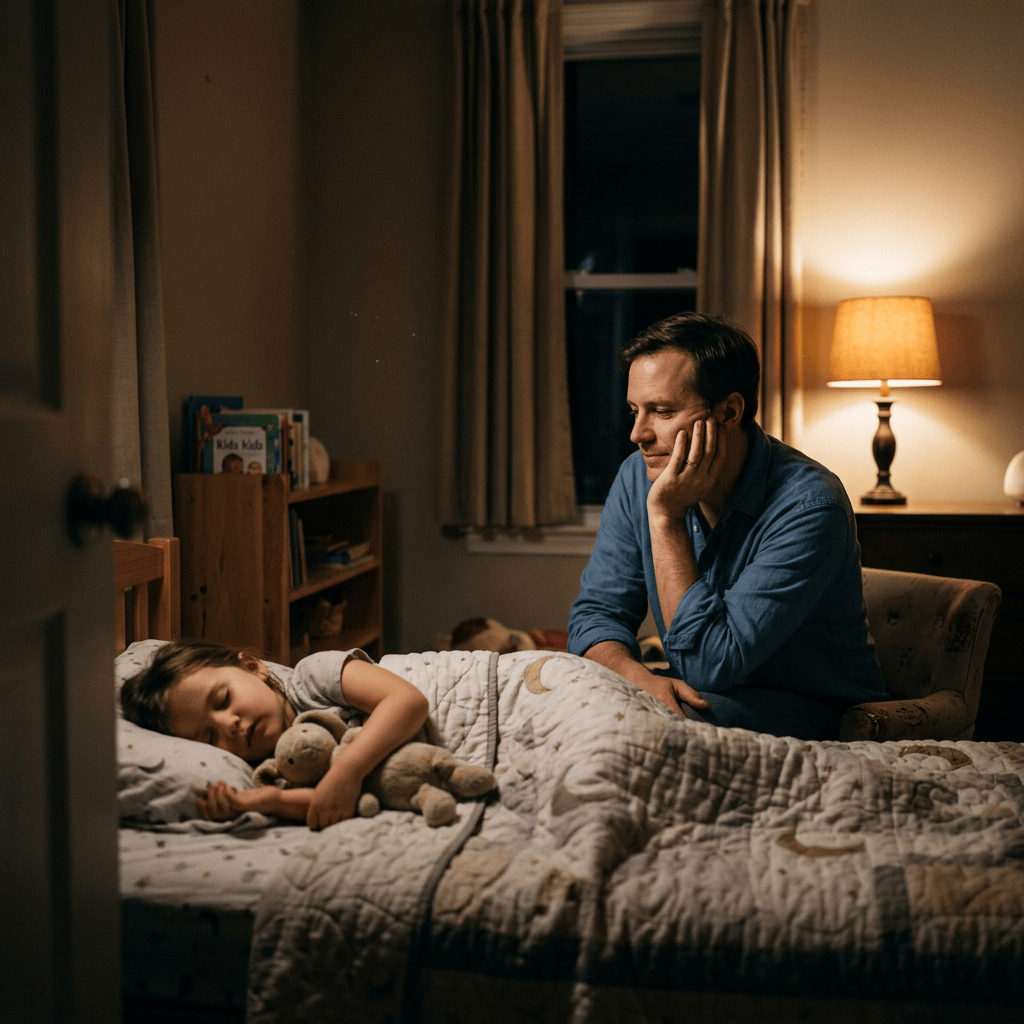
A parent watches a sleeping child. Nothing needs to be achieved. Nothing needs to be improved. The child is not being measured according to future success or failure, but simply received as the one who is there.
Someone stands before the sea at dusk, or beneath a sky filled with stars. For a few moments the constant impulse to organise, accomplish, or control gives way to silent attention. The world has not ceased to change, yet it is no longer experienced primarily as something to be mastered.
The same can happen in more difficult moments. A person sits beside the bed of someone who is dying. There may be nothing more to be done. Care has not ceased, nor has love become passive, but willing has reached its own boundary. Presence itself becomes more important than achievement.
These moments differ greatly from one another, yet they share something difficult to describe. Reality is no longer valued chiefly according to what our actions can accomplish. It begins to appear in its own right.
This is why such moments often remain with us long after they have passed.
The Will Within a Larger Horizon
None of this means that the will is an obstacle to peace.
We continue to act, to choose, to protect, to build, and, when necessary, to defend. The previous articles have already shown that action belongs to the situations in which we find ourselves. There are moments when not acting is no longer truly an option.
Yet there is a difference between acting within reality and measuring reality by what our action can achieve.
Among the most remarkable words preserved in the Christian tradition are these:
“Not my will, but yours be done.”
They are often understood as words of resignation. Yet they also reveal that our will is not the final measure of reality.
The question is not whether willing disappears, but whether our will is the final measure of what is. These words suggest another possibility: that our willing itself belongs within a reality that neither begins nor ends with us.
Looking Again
We often imagine that peace will arrive when the world finally corresponds to our hopes, our plans, or our efforts.
Yet some of the deepest moments of peace appear precisely when reality is no longer measured in that way. Not because action has ceased or suffering has disappeared, but because, however briefly, reality stands before us without first being measured by what we can gain, preserve, or lose.
Peace sometimes appears where history least expects it. It has been quietly present all along, waiting not to be created, but to be recognised.
 It Is What It Is
Leave a comment